
The Right RFID Tags for Your Tracking and Compliance Needs
The backbone of any RFID tracking system is the RFID tags. You’ll need the right tags in order to track your equipment, inventory, or personnel. CYBRA provides a variety of tags that can accommodate any RFID project, environment, and requirement.
Contact us today to find the best RFID tag for your application and see how we can help you streamline operations.
Brands We Support
CYBRA works with a wide range of tag manufacturers to ensure any project can have the right materials.







[eBOOK]
2026 RFID Integration Guide
A complete guide that will help retail brand owners, manufacturers, and distributors reap great benefits from integrating RFID into their supply chain.
RFID Tag Types
RFID tags come in various types, each designed for specific applications and environments. Here are the main categories:

By Power Source
- Passive RFID Tags – No internal battery; powered by RFID readers. Ideal for cost-effective, high-volume tracking (e.g., retail, logistics).
- Active RFID Tags – Battery-powered for long-range tracking. Used for asset tracking, vehicle monitoring, and high-security applications.
- Semi-Passive (Battery-Assisted Passive) RFID Tags – Battery-powered but only transmits when activated by a reader, offering better range than passive tags while conserving power.

By Frequency
- Low-Frequency (LF) RFID Tags (125-134 kHz) – Short-range (a few inches), great for animal tracking, access control, and industrial applications.
- High-Frequency (HF) RFID Tags (13.56 MHz) – Medium-range (up to 3 feet), used in smart cards, NFC applications, and secure transactions.
- Ultra-High-Frequency (UHF) RFID Tags (860-960 MHz) – Long-range (up to 50 feet), best for inventory tracking, supply chain management, and logistics.

By Form Factor
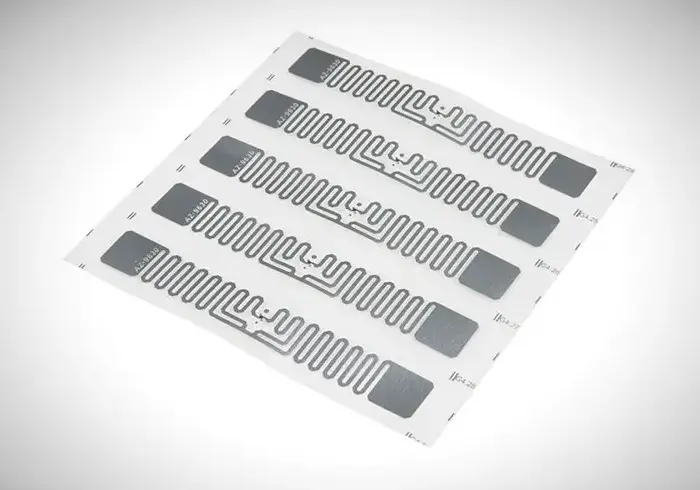
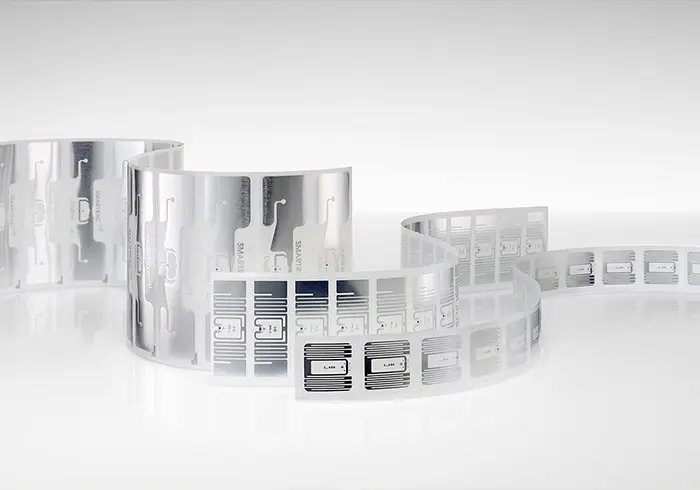
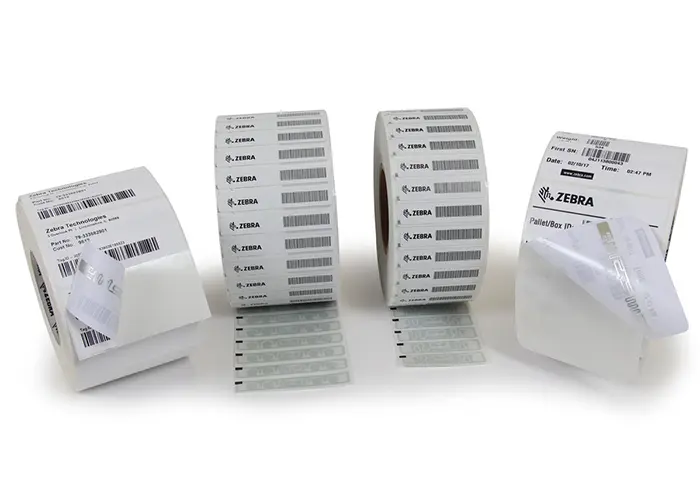
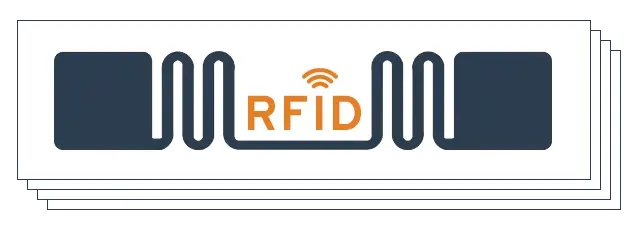
- Inlays & Labels – Thin, flexible, and cost-effective. Ideal for product packaging, shipping labels, and retail inventory.
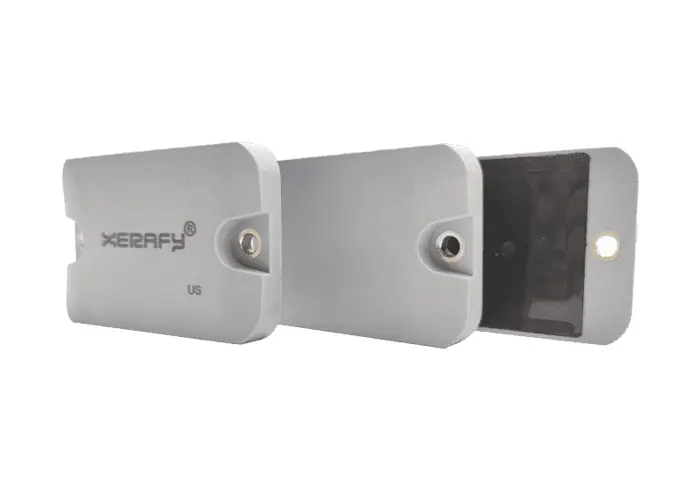
- Hard Tags – Durable, rugged tags for industrial use, such as manufacturing, equipment tracking, and outdoor applications.
- Metal-Mount RFID Tags – Specially designed for attachment to metal surfaces, which typically interfere with RFID signals.
- Tamper-Evident & Security Tags – Designed to prevent fraud, theft, or counterfeiting, commonly used in high-value goods and pharmaceuticals.
The Right RFID Tag for Every Project
No two RFID projects are the same—and neither are the tags you need. We offer an array of RFID tags, from rugged industrial options to flexible, high-performance labels. Whether you're tracking assets or responding to a compliance mandate, we’ll help you find the perfect tag for your application, environment, and budget.
Specialty RFID Tags
Not all RFID tags are created equal. Depending on your environment, materials, and use case, specialized RFID tags are designed to deliver reliable performance where standard tags fall short.
Common types of specialty RFID tags:
| RFID Tag Type | Best For | Common Use Cases |
|---|---|---|
| Anti-Metal Tags | Metal surfaces | Machinery, racks, tools, IT assets |
| Rugged Tags | Harsh environments | Industrial equipment, construction, oil & gas |
| High-Temperature Tags | Extreme heat | Automotive, paint lines, sterilization |
| Small / Micro Tags | Small items | Jewelry, electronics, tools |
| Flexible Tags | Curved surfaces | Pipes, cylinders, cables |
| Long-Range Tags | Extended read distances | Yard management, vehicle tracking |
| Waterproof Tags | Wet/outdoor environments | Logistics, marine, outdoor storage |
| Tamper-Evident Tags | Security-sensitive assets | Pharmaceuticals, high-value goods |
| Embedded Tags | Built-in tracking | Manufacturing components, tools |
| Laundry Tags | Textiles | Uniforms, linens, hospitality |
| Cryogenic Tags | Extreme cold | Biotech, cold chain, lab samples |
| Chemical-Resistant Tags | Chemical exposure | Manufacturing, labs, oil & gas |
| BAP Tags | Enhanced performance | Long-range tracking, complex environments |
Choosing the Right RFID Tag for Your Application
Not sure which RFID tag is right for your operation? The best choice depends on your environment, the materials you’re tagging, and your read range requirements. Selecting the right tag is critical to performance, accuracy, and long-term success—so it’s important to match the technology to your specific use case.