









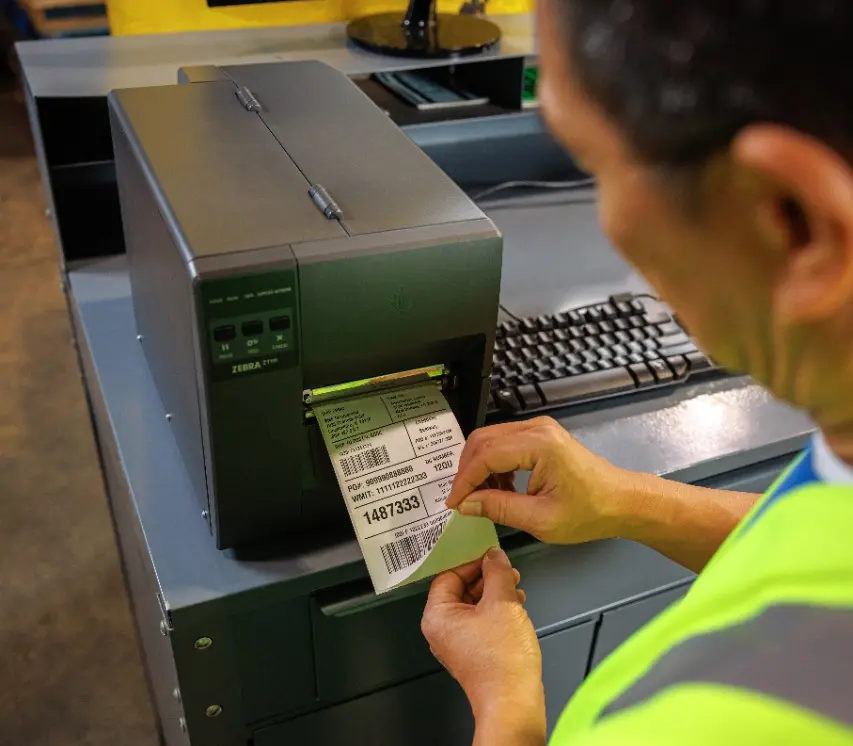
In an increasingly complex supply chain, a single unverified RFID tag can lead to costly operational disruptions and data discrepancies. Ensuring that every tag is accurately encoded at the point of print is not merely a technical step—it is a critical safeguard for your entire inventory management ecosystem.
Consider the impact: industry research indicates that improper RFID encoding and unverified tags are significant contributors to inventory inaccuracy, with some supply chains experiencing up to a 20% loss in visibility when data integrity protocols are neglected. By integrating automated verification, you move from reactive troubleshooting to proactive precision.
Why Verifying Printed RFID Tags is Important
During the printing process, the RFID chip must be encoded with the correct data and verified to ensure it can be successfully read by RFID readers throughout the supply chain.
If a tag is not properly encoded or contains inaccurate data, it can lead to:
- Inventory inaccuracies
- Failed shipping verifications
- Compliance violations
- Product traceability issues
- Increased labor costs
- Customer chargebacks and penalties
- Reduced confidence in RFID data
Even a small percentage of bad tags can create significant operational challenges when thousands or millions of items are being processed.
What Is RFID Tag Verification?
RFID tag verification is the process of confirming that an RFID tag has been successfully encoded and can be read correctly before it is applied to an item, carton, pallet, or asset.
Verification typically confirms:
- The RFID chip is functioning properly
- The EPC or encoded data matches the intended value
- The tag can be read at acceptable signal levels
- Printed barcode information matches RFID data
- Human-readable information is correct
- The tag meets customer or compliance requirements
This process occurs automatically during RFID printing and encoding when supported by RFID-enabled printers and software.
How RFID Verification Works During Printing
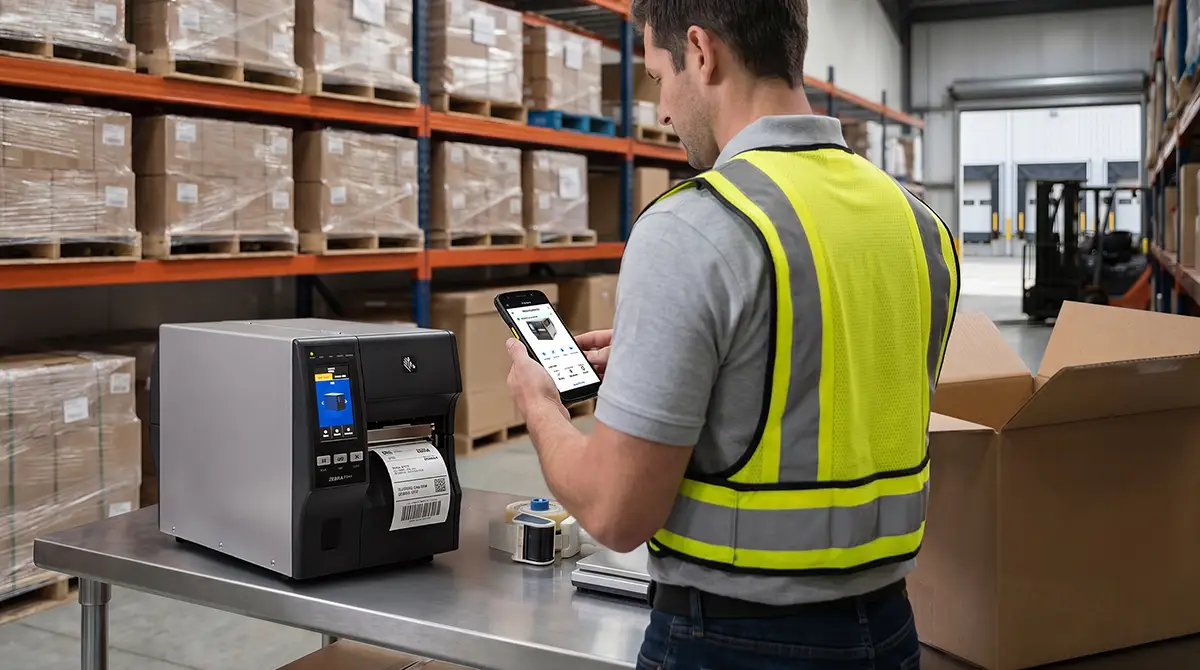
Modern RFID printers perform a multi-step process when producing RFID labels.
Step 1: Generate RFID Data
The labeling software creates the unique RFID identifier that will be encoded onto the tag.
This may include:
- EPC numbers
- SGTIN values
- SSCC numbers
- Asset identifiers
- Serialized inventory IDs
- Custom business data
The data is typically generated from an ERP, WMS, MES, or inventory management system.
Step 2: Encode the RFID Chip
As the RFID label passes through the printer, an integrated RFID encoder writes the data to the RFID chip.
The printer programs the tag with the required EPC or identifier before printing the visible label information.
Step 3: Read Back the Tag
After encoding, the printer immediately reads the RFID chip to verify that:
- The data was successfully written
- The correct data was encoded
- The tag is readable
- Memory values match expected results
This read-after-write verification is one of the most important quality control steps in RFID label production.
Step 4: Print Label Information
Once the RFID encoding is verified, the printer produces:
- Human-readable text
- Barcodes
- QR codes
- GS1 DataMatrix symbols
- Logos
- Compliance information
This ensures both the RFID and printed information remain synchronized.
Step 5: Validate Printed Data
Advanced labeling systems can compare printed barcode values against the RFID data to ensure both contain the same identifier.
For example:
- Barcode serial number = RFID serial number
- GS1 barcode data = RFID EPC data
- Asset ID on label = Asset ID in chip
This prevents mismatches that can create confusion during scanning operations.
What Happens When a Tag Fails Verification?
Occasionally an RFID tag may fail during encoding or verification.
Common causes include:
- Defective RFID chips
- Damaged antennas
- Manufacturing defects
- Poor tag placement
- Environmental interference
- Incorrect encoding settings
When a failure occurs, modern RFID printers typically:
- Mark the tag as void
- Print "VOID" across the label
- Log the failure
- Advance to the next label
- Automatically generate a replacement tag
This process prevents defective tags from entering production or the supply chain.
RFID Verification for Compliance Programs
Many retailers, manufacturers, and government organizations require RFID tags to meet strict standards.
Verification helps ensure compliance with programs such as:
- Walmart RFID requirements
- Department of Defense RFID standards
- Aerospace asset tracking programs
- Healthcare UDI initiatives
- Retail inventory visibility programs
- GS1 EPC standards
By verifying tags during printing, organizations reduce the risk of rejected shipments and compliance issues.
Are Your Labels Future-Ready?
Future-ready labels do more than scan — they power POS, traceability, authentication, and engagement from one symbol. Is your labeling ready for what’s next?
Best Practices for RFID Tag Verification
Organizations implementing RFID labeling should follow several best practices.
Verify Every Tag
Avoid spot-checking whenever possible.
Modern RFID printers can automatically verify every encoded tag, providing much higher confidence than manual sampling.
Use Enterprise Labeling Software
Enterprise labeling solutions help ensure:
- Consistent encoding rules
- Serialized number management
- EPC generation
- Data validation
- Error handling
- Audit trails
This reduces the risk of encoding errors caused by manual processes.
Maintain RFID Printers Regularly
Printer maintenance helps prevent:
- Misaligned tags
- Encoding failures
- Readability issues
- Print quality problems
Regular calibration and cleaning improve overall tag production quality.
Track Failed Tags
Monitoring failure rates can reveal:
- Printer issues
- Media quality problems
- Supplier defects
- Environmental interference
Trend analysis often helps identify problems before they impact operations.
Test in Real-World Conditions
Verification inside the printer is important, but organizations should also test tags using the readers and portals that will be used in production.
This helps ensure tags perform properly at receiving docks, warehouse portals, conveyor tunnels, and inventory counting stations.
The Role of RFID Labeling Software
RFID-enabled labeling software serves as the intelligence behind the entire verification process.
Advanced RFID labeling platforms can:
- Generate EPC numbers automatically
- Encode RFID tags
- Verify data accuracy
- Manage serialization
- Support GS1 standards
- Integrate with ERP and WMS systems
- Produce audit logs
- Handle reprint and replacement workflows
These capabilities help organizations maintain data integrity from the moment a tag is printed through its entire lifecycle.
Final Thoughts
RFID tag verification is one of the most important steps in any RFID labeling process. By validating every tag during printing, organizations can prevent defective tags from entering operations, improve inventory accuracy, support compliance initiatives, and maximize the value of their RFID investment.
Whether you're tracking inventory, assets, work-in-process materials, or shipments, implementing automated RFID verification helps ensure that every tag can be trusted from the moment it leaves the printer.
Interested in RFID?
An RFID tracking system can help organizations of all sizes improve their supply chain efficiency. Contact the CYBRA team to schedule a demo today.