









- 04/15/26 | Asked by Steph W.
Choosing the right RFID hardware for a mid-sized manufacturing plant comes down to scalability, durability, and ease of integration. Below is a quick FAQ-style guide to help you make the right decision.
What Core RFID Hardware Do Manufacturers Need?
A typical RFID system includes three essential components:
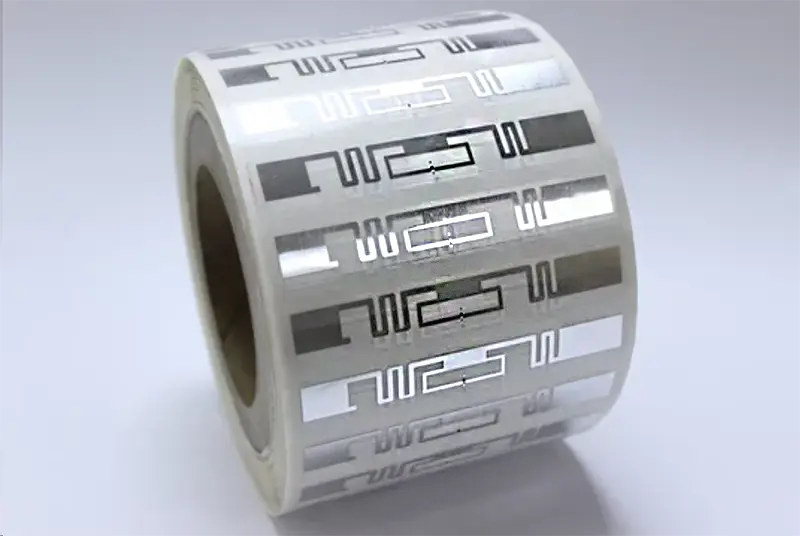
- RFID tags (labels or rugged tags)
- RFID readers (fixed or handheld)
- RFID printers (for encoding and printing tags)
These work together to identify, track, and manage materials, assets, and inventory across production and warehouse environments.
What Type of RFID Tags are Best for Manufacturing?
It depends on your environment:
- Standard UHF labels → Best for cartons, pallets, and packaging
- Rugged/anti-metal tags → Ideal for tools, machinery, and metal surfaces
- High-temp or chemical-resistant tags → Used in harsh production environments
RFID tags enable real-time tracking without line-of-sight scanning, improving accuracy and efficiency.
Should We Use Fixed or Handheld RFID Readers?
Most mid-sized plants use a mix:
Fixed readers
- Installed at dock doors or production lines
- Automatically track items in motion
Handheld readers
- Used for cycle counting and locating items
- Provide flexibility on the warehouse floor
Fixed readers offer continuous tracking, while handhelds support mobility and exception handling
Do We Need RFID Printers?
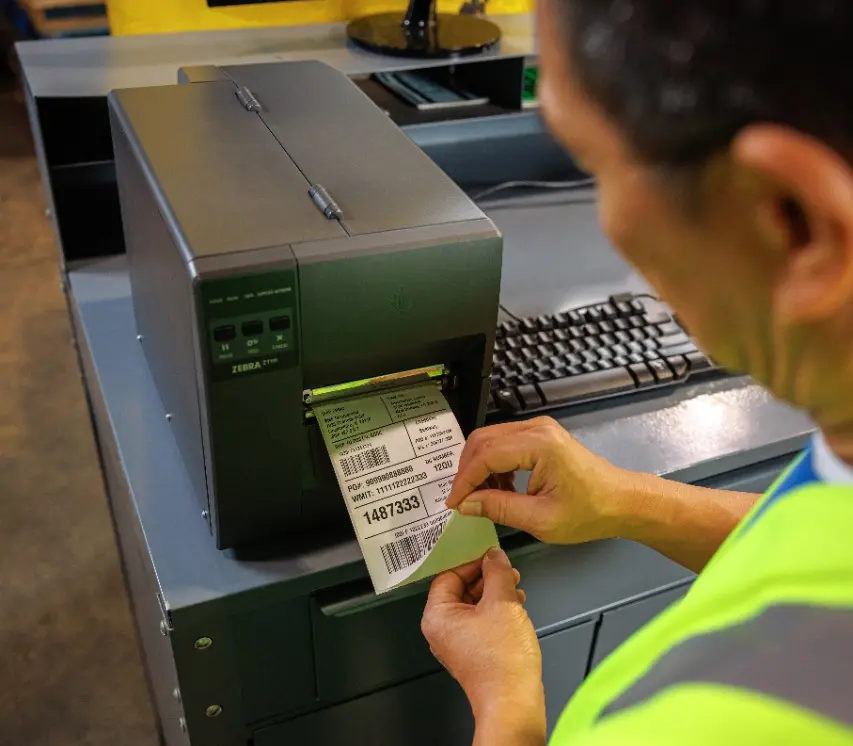
Yes—especially if you’re printing and encoding tags in-house.
- Print labels and encode RFID data simultaneously
- Integrate with ERP/WMS systems
- Support high-volume manufacturing workflows
This is critical for maintaining data accuracy and compliance.
What About Antennas and Infrastructure?
Antennas are often overlooked but essential.
- Extend read range and coverage
- Ensure accurate reads in high-volume environments
- Support areas like conveyors, storage zones, and shipping docks
Mid-sized plants typically use multiple antennas to cover key zones.
Is Active RFID Necessary?
Not always.
- Passive RFID → Most common and cost-effective
- Active RFID → Used for long-range tracking (large yards, high-value assets)
Active tags have batteries and longer read ranges, while passive tags rely on reader signals and are more affordable.
What’s the Best Setup for a Mid-sized Plant?
A practical, scalable setup includes:
- Passive UHF RFID tags for inventory and WIP
- Fixed readers at key choke points (receiving, production, shipping)
- Handheld readers for cycle counts and search
- RFID printers for on-demand labeling
- Antennas strategically placed across workflows
This combination delivers real-time visibility, automation, and accuracy across operations.
Bottom Line
The best RFID hardware setup isn’t about one device—it’s about a balanced system. Mid-sized manufacturers should prioritize:
- Reliable tags for their environment
- A mix of fixed and handheld readers
- Scalable infrastructure
- Seamless integration with existing systems
Done right, RFID becomes a powerful tool for improving efficiency, reducing errors, and gaining full visibility across your operation.