









The 4 Types of Inventory Loss and How to Minimize Your Risk
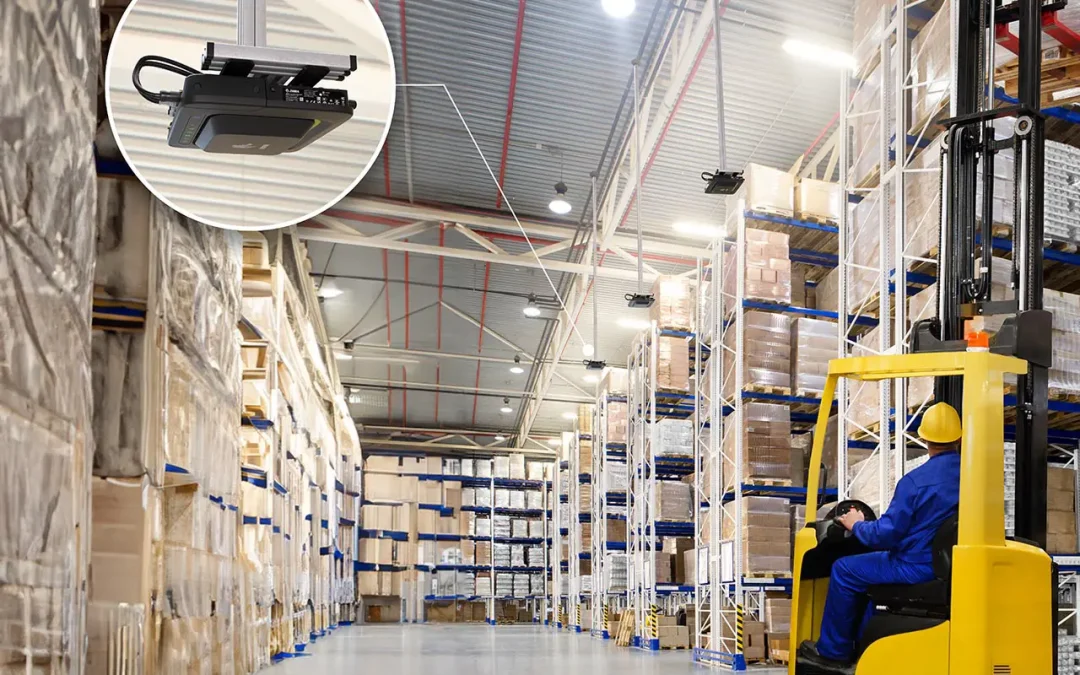
Inventory management is a critical aspect of operations for manufacturing companies and distributors, as it directly impacts profitability, customer satisfaction, and overall business success. However, despite advancements in technology and logistics, inventory loss...
Cold Tracking with RFID in Cold Chain Technology
Terminal Operations Optimization
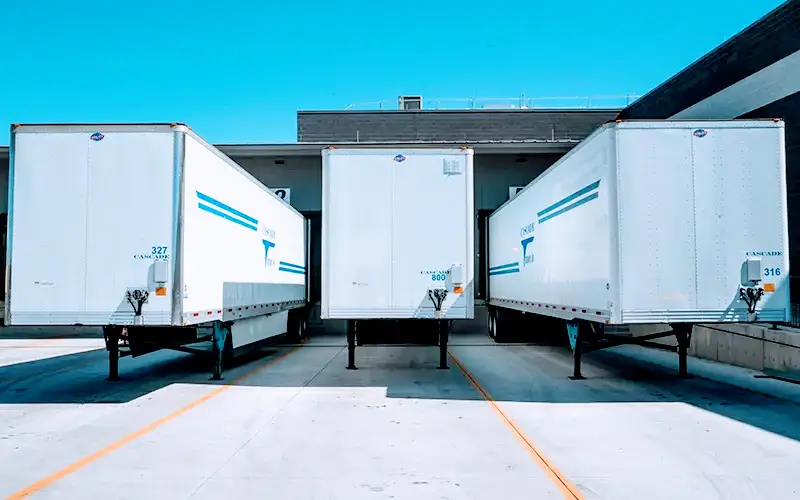
The world of logistics is always bustling. According to Averitt.com, 67% of shippers anticipate moving more freight in 2024 than 2023. Making sure shipments don’t skip a beat is more important than ever. That’s where modern terminal operations come in....
What are RFID Cabinets?
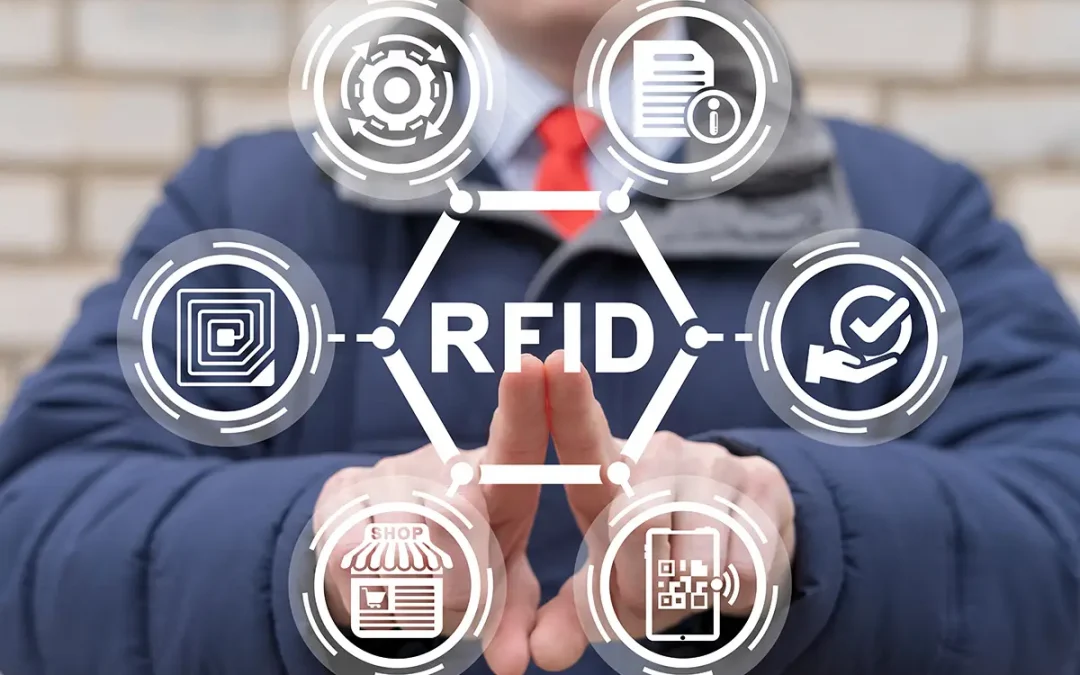
RFID cabinets are a game-changer for secure storage and real-time asset tracking. While RFID adoption has steadily increased—used by over 35% of manufacturers as of 2020 and climbing—many businesses are still discovering the full range of its applications. Beyond...