









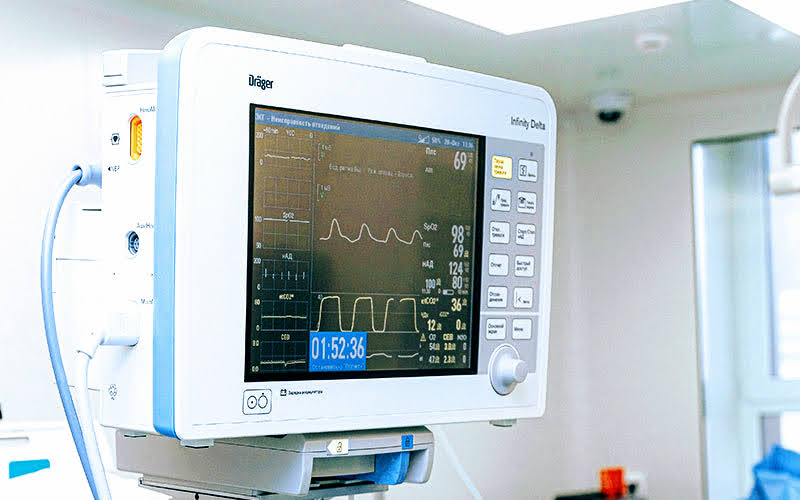
On of the biggest challenges facing hospitals and medical facilities is ensuring accurate equipment and inventory numbers. On average nurses spend about an hour searching for equipment during a 10 hour shift. Important equipment such as EKG machines, infusion pumps, and handheld scanners are all items that must be readily available to treat patients at medical facilities.
But, far too often vital equipment is getting stashed away in the wrong places. Not only do these hidden equipment result in delays in patient care, but they also hinder preventive maintenance and recalls, which can put staff and patients at risk. A common solution to the problem is to purchase more equipment. Unfortunately many hospitals end up stocking at least 20 percent more equipment than they need and use only thirty to forty percent of the equipment they have.
In this article, we’ll explore why hospital equipment hoarding happens, how it impacts patient care and budgets, and the practical strategies hospitals can use to reduce it—without compromising access or safety.
What is Hoarding?
Hospital equipment hoarding happens when clinicians hold onto devices—such as IV pumps, wheelchairs, or monitors—to ensure they’re available when needed. While the behavior is understandable, it creates serious operational problems. When staff can’t quickly locate equipment, they stop trusting inventory systems and start hiding devices in closets, lockers, or unused rooms.
The impact is significant. Studies estimate that hospitals can lose up to 20–30% of mobile medical equipment to misplacement, underutilization, or hoarding at any given time—often forcing facilities to buy or rent more equipment than they actually need. The result is inflated capital spend, inaccurate inventory data, delayed patient care, and missed preventive maintenance.
Instead of improving readiness, hoarding reduces visibility across the hospital, slows workflows, and increases risk. To break this cycle, healthcare organizations need modern, system-wide solutions that make equipment easy to find, trust, and share—without relying on workarounds.
How Hospitals Can Stop Equipment Hoarding
Hospital equipment hoarding isn’t a behavioral problem—it’s a visibility problem. When clinicians can’t reliably find the equipment they need, they naturally hold onto it “just in case.” To stop hoarding, hospitals must remove uncertainty and make equipment availability obvious, fast, and trustworthy.
Here’s how leading healthcare organizations are doing it:
Create Real-time Equipment Visibility
Hospitals must give staff confidence that equipment is available when and where it’s needed. Technologies like RFID provide real-time location data for infusion pumps, wheelchairs, ventilators, and other mobile assets—eliminating guesswork and frantic searches.
Replace Manual Searches with Instant Location Tools
Instead of calling other units or checking storage rooms, staff should be able to locate equipment instantly through a dashboard or mobile interface. RFID-enabled systems allow teams to see the nearest available asset in seconds.
Standardize Equipment Sharing Across Departments
Hoarding often happens when departments operate in silos. A centralized asset tracking system powered by RFID ensures equipment is shared across units based on demand—not hidden away “just in case.”
Use Data to Right-size Inventory Levels
RFID data reveals how often equipment is actually used, how long it sits idle, and where bottlenecks occur. Hospitals can use this insight to reduce over-purchasing while still meeting care demands.
3 Inventory Replenishment Strategies
Effective inventory replenishment is critical for businesses to ensure that products are always available for customers without overstocking or running into stockouts. Inventory replenishment is the process of restocking products and materials when they are used up or sold ... Read more →
Automate Maintenance and Availability Status
Equipment that’s out for cleaning, repair, or inspection often disappears from visibility. RFID systems automatically update asset status, ensuring staff don’t hoard “working” equipment out of fear that replacements won’t be available.
Start Tracking Hospital Equipment More Effectively with CYBRA's Edgefinity IoT Software
Hospitals stop equipment hoarding by removing the need for it. RFID delivers the real-time visibility, accuracy, and accountability healthcare teams need to share equipment efficiently—improving patient care while reducing costs, delays, and frustration.
In addition to tracking hospital equipment, the right tracking software can assist medical facilities in monitoring patient medication, maintaining accurate asset inventory levels, reducing theft, and even preventing patient elopement. CYBRA's Edgefinity IoT offers a wide range of tracking solutions for hospitals and medical facilities.
Interested in RFID?
An RFID tracking system can help organizations of all sizes improve their supply chain efficiency. Contact the CYBRA team to schedule a demo today.