


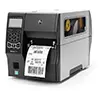








Asset Tagging: The Foundation of Smarter Asset Management
Asset tagging is one of the most effective ways to gain control over your equipment, tools, and inventory. Whether you’re managing a warehouse, manufacturing facility, healthcare operation, or IT environment, knowing what you have, where it is, and how it’s being used is critical to efficiency and profitability.
At its core, asset tagging involves attaching a unique identifier—such as a barcode or RFID tag—to each asset, allowing it to be tracked throughout its lifecycle. This enables businesses to reduce loss, improve accountability, streamline audits, and make more informed operational decisions.
The Problem with Outdated Asset Tracking
But in today’s fast-moving, data-driven environments, traditional tracking methods are no longer enough. Organizations are increasingly turning to advanced technologies like RFID to enable real-time visibility, automated tracking, and near-perfect accuracy.
In this guide, we’ll break down everything you need to know about asset tagging—from how it works and the different types of tags available, to the key benefits, best practices, and how to choose the right solution for your operation.
Whether you’re just getting started or looking to upgrade your current system, this guide will help you build a smarter, more efficient asset tracking strategy.

Why Asset Tagging Is Critical for Modern Operations
Asset tagging isn’t just about labeling equipment—it’s the foundation for visibility, control, and smarter decision-making across your entire operation. Without a structured tagging system, businesses often struggle with misplaced assets, inaccurate records, and inefficient workflows that drive up costs and slow down productivity.
At its core, asset tagging creates a single source of truth for every asset you own. By assigning each item a unique identifier and linking it to a digital system, organizations can track location, usage, condition, and lifecycle data in real time.
This level of visibility enables teams to move faster, reduce errors, and operate with confidence.

Did You Know? Companies without proper asset tracking systems can lose millions each year due to misplaced equipment, theft, and operational inefficiencies. (Source: Cheqroom)
Key Benefits of Asset Tagging
Beyond operational improvements, asset tagging also plays a critical role in compliance and reporting. With accurate, up-to-date asset data, businesses can streamline audits, improve financial tracking, and maintain proper documentation for regulatory requirements.
- Improved visibility and control – Know exactly where assets are and how they’re being used at all times
- Reduced loss and theft – Tagged assets are easier to track, monitor, and recover
- Faster audits and inventory counts – Scan assets in seconds instead of manually searching and recording
- Lower operational costs – Avoid duplicate purchases and improve asset utilization
- Better maintenance and lifecycle management – Track service history and schedule preventive maintenance
- Time savings across teams – Eliminate hours spent searching for equipment or verifying inventory
Common Asset Tagging Use Cases
Asset tagging can be applied across virtually any industry—but its value becomes especially clear in environments where assets are high-value, frequently moved, or critical to operations. Below are some of the most common and impactful use cases:
- Manufacturing & Production: Track tools, machinery, and work-in-process items to reduce downtime and improve efficiency.
- Warehousing & Distribution: Monitor pallets, inventory, and equipment in real time for faster counts and better accuracy.
- IT Asset Management: Track laptops, servers, and devices to prevent loss, simplify audits, and improve security.
- Healthcare & Medical Equipment: Locate critical equipment quickly to improve availability and support patient care.
- Logistics & Transportation: Manage pallets, bins, totes, and containers across the supply chain to reduce loss and improve visibility.
- Construction & Field Services: Track equipment across job sites to improve accountability and reduce theft.
- Retail Operations: Monitor store assets and backroom inventory to improve visibility and reduce shrink.
Conclusion
Asset tagging is more than just labeling equipment—it’s a strategic foundation for better visibility, control, and efficiency across your entire operation. By implementing the right tagging system and technology, businesses can reduce loss, streamline workflows, and make smarter, data-driven decisions in real time.
Whether you’re managing a warehouse, tracking IT assets, or optimizing field operations, asset tagging helps turn uncertainty into clarity. And as operations continue to scale and evolve, having a reliable asset tracking strategy in place isn’t just an advantage—it’s a necessity for staying competitive.