


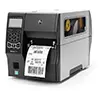








Labeling is no longer just a back-end operational task—it’s becoming a key factor of compliance, automation, and supply chain visibility. As we move into 2026, new regulations, rising consumer expectations, and accelerating automation are changing how labels are designed, generated, and managed.
From 2D barcodes and RFID adoption to tighter compliance requirements and sustainability pressures, organizations are being forced to rethink their labeling strategies.
How Labeling is Changing in 2026
Labeling in 2026 is no longer a simple print-and-apply task. It’s becoming a dynamic, data-driven layer of the supply chain—supporting automation, compliance, and real-time visibility.
Rising regulatory requirements, retailer mandates, and the adoption of technologies like RFID and 2D barcodes are forcing organizations to rethink how labels are created and managed. Labels now carry more information, change based on destination or workflow, and play a direct role in traceability and validation.
At the same time, labeling is moving closer to core business systems. Instead of operating in isolation, labels are increasingly generated directly from ERP, WMS, and MES events, reducing errors and manual intervention.
As a result, labeling has shifted from an afterthought to a strategic capability. The trends below highlight how companies are adapting their labeling strategies in 2026 to keep pace with automation, compliance, and growth.
Here are the top five labeling trends shaping 2026—and what businesses should be doing now to stay ahead.
1. The Shift from 1D Barcodes to 2D Barcodes
One-dimensional barcodes like UPC and EAN are nearing the end of their dominance. By 2026, many organizations will already be transitioning to 2D barcodes—driven largely by the GS1 Sunrise 2027 initiative, which encourages global retailers to support QR Codes and Data Matrix symbols at the point of sale.
2D barcodes can hold significantly more data than traditional linear barcodes, enabling:
- Enhanced traceability
- Batch and lot-level identification
- Expiration dates and recalls
- Links to digital product information
According to GS1, over 85% of the world’s point-of-sale transactions already rely on GS1 standards—making this transition a global shift, not a niche one.
What this means for 2026:
Companies that delay upgrading label designs, scanners, and printing workflows risk falling behind retailers, regulators, and trading partners who are already moving forward.
Need to Start Generating 2D Barcodes?
MarkMagic lets manufacturers design output anywhere. Print GS1-compliant 2D barcodes to any printer—generate digital labels and PDFs for e-commerce, samples, and approvals. Get Sunrise 2027 ready today!
2. RFID-Enabled Labels Become Mainstream
RFID is rapidly moving from pilot projects to full-scale production. By 2026, RFID-enabled labels are becoming standard across retail, healthcare, manufacturing, and logistics.
The global RFID market is projected to grow from $16.4 billion in 2023 to over $40 billion by 2030, driven by demand for real-time visibility and automation.
RFID enabled labels allow organizations to:
- Track items without line-of-sight scanning
- Read dozens or hundreds of items simultaneously
- Automate receiving, shipping, and cycle counts
- Reduce labor costs and human error
Hybrid labels—combining barcodes and RFID—are also becoming more common, allowing businesses to support legacy processes while enabling automation.
What this means for 2026:
RFID labeling is no longer experimental. It’s becoming a competitive requirement for companies looking to scale operations and eliminate inventory blind spots.
3. Label Automation Moves Inside Core Business Systems
Manual labeling processes are increasingly seen as a liability. In 2026, more organizations are embedding label automation directly into ERP, WMS, MES, and cloud platforms.
Centralized labeling systems reduce:
- Manual data entry
- Print errors and mislabels
- Inconsistent branding or compliance issues
- Rework and relabeling costs
According to Gartner, poor data quality—including labeling errors—costs organizations an average of $12.9 million per year.
What this means for 2026:
Labeling is becoming a rules-driven, automated process—triggered by business events, not human intervention.

4. Compliance-Driven Labeling Gets More Complex
Regulatory pressure continues to intensify across industries. From healthcare and food to chemicals and electronics, labels must meet stricter standards—and those standards vary by region.
Key drivers include:
- FDA UDI requirements
- FSMA food traceability rules
- Global chemical labeling (GHS)
- Country-specific language and formatting rules
As supply chains become more global, labels must dynamically adapt based on:
- Destination country
- Customer requirements
- Product configuration
- Regulatory jurisdiction
What this means for 2026:
Static label templates are no longer sufficient. Companies need dynamic, validated labeling systems with version control, audit trails, and compliance safeguards built in.
Free Barcode Generator →
Generate scannable barcodes in seconds. Download the barcode image and import it directly into MarkMagic to use across labels, electronic forms, and reports.
5. Sustainability Influences Label Design and Materials
Sustainability is increasingly shaping labeling decisions—not just packaging. Companies are under pressure to reduce waste, reprints, and excess materials while maintaining durability and compliance.
Label-related sustainability trends include:
- Thinner label stocks and liners
- Linerless labels
- Smaller label footprints
- Digital workflows that reduce misprints
- According to McKinsey, 73% of global consumers say they would change their habits to reduce environmental impact, pushing brands to rethink packaging and labeling choices.
What this means for 2026:
Smarter labeling systems that minimize reprints and errors are becoming just as important as material choices themselves.
Conclusion: Preparing Your Labeling Strategy for 2026 and Beyond
The labeling landscape is evolving rapidly—and 2026 represents a critical inflection point. With 2D barcodes gaining momentum, RFID adoption accelerating, and compliance demands growing more complex, organizations must modernize their labeling strategies now.
The companies that succeed won’t just print better labels—they’ll build smarter, more connected labeling ecosystems that support automation, traceability, and growth well beyond 2026.
Better Labeling, Faster Printing.
Ensure every label is accurate, compliant, and printed without delays. Discover how CYBRA’s barcode and printing solutions streamline operations and eliminate errors.